
Available now on Amazon!!
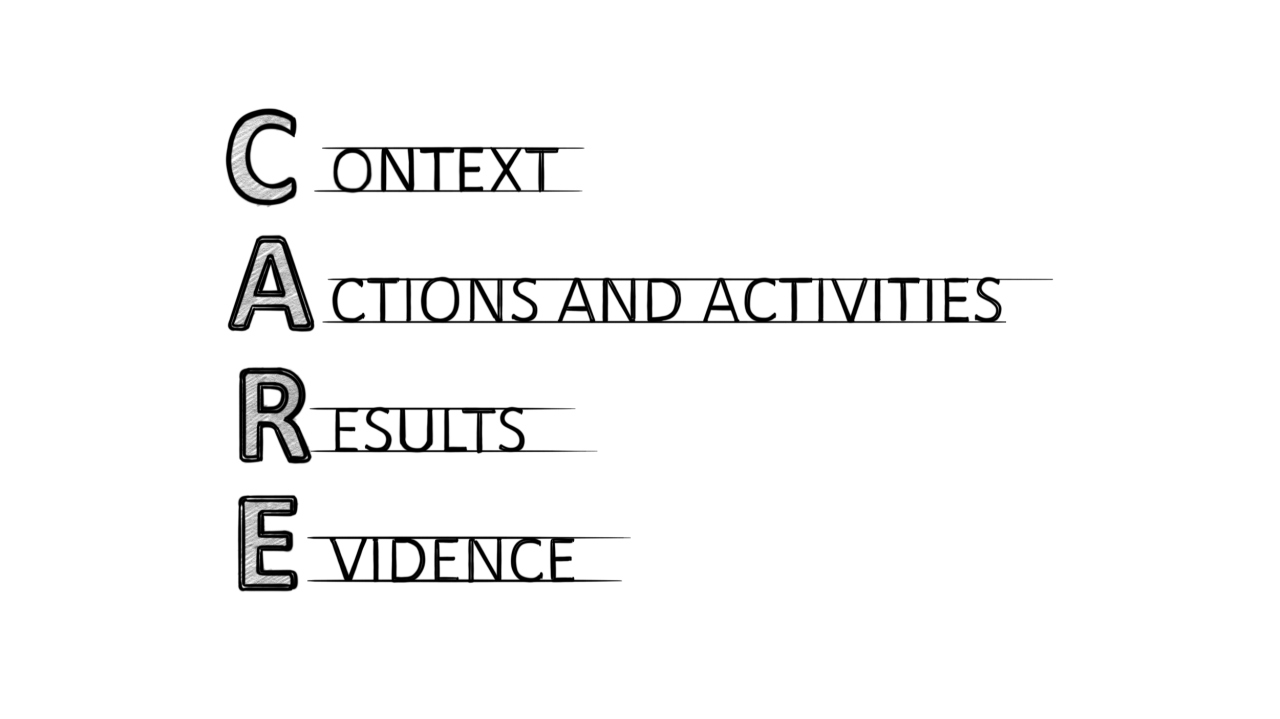
How to use the CARE Technique for Value Assurance when working with customers and stakeholders
To effectively communicate value, especially in post-delivery scenarios, use the CARE technique:
C – Context: Begin by restating the context in which the project was initiated. Remind the client of the challenges and objectives they were facing before the project started. This helps frame the conversation and remind them why they needed your services in the first place.
A – Actions and Activities: Clearly outline the actions and activities your team undertook to address the client’s needs. Be concise and focus on the most impactful actions that were taken.
R – Results: Highlight the results of these actions. What improvements, efficiencies, or benefits were realized as a direct result of the work you did? Make sure to tie these results back to the original objectives.
E – Evidence: Provide concrete evidence to support your claims. This could include data analysis, before-and-after comparisons, testimonials, or case studies. The more tangible the evidence, the stronger your value assurance will be.
Example of a CARE Statement: Accounting Firm
An accounting firm recently completed a project to rebuild a client’s billing system and used the CARE technique to prove value:
Context: “Before we started this project, your company faced significant challenges with billing inaccuracies and delays. You were experiencing frequent disputes with customers over billing errors, and your collections were taking longer than industry benchmarks. This was impacting your cash flow and customer satisfaction.”
Actions and Activities: “We conducted a comprehensive analysis of your billing processes, identified key pain points, and designed a customized billing system tailored to your specific needs. This included automating manual processes, integrating your system with your CRM for better data accuracy, and implementing a more user-friendly interface for your team.”
Results: “As a result, billing errors have decreased by 75%, and the time taken to process invoices has reduced from an average of 10 days to just 3 days. Moreover, the dispute resolution time has been cut in half, significantly improving customer satisfaction.”
Results: “As a result, billing errors have decreased by 75%, and the time taken to process invoices has reduced from an average of 10 days to just 3 days. Moreover, the dispute resolution time has been cut in half, significantly improving customer satisfaction.”
Evidence: “To quantify these improvements, we have prepared a detailed report showing that your cash flow has improved by 15%, and customer complaints related to billing have dropped by 60% over the last three months. Additionally, we have testimonials from your finance team praising the ease of use and efficiency of the new system.”
By using the CARE technique, the accounting firm effectively communicates the value they delivered and reassures the client of the positive impact their work has had on their business.
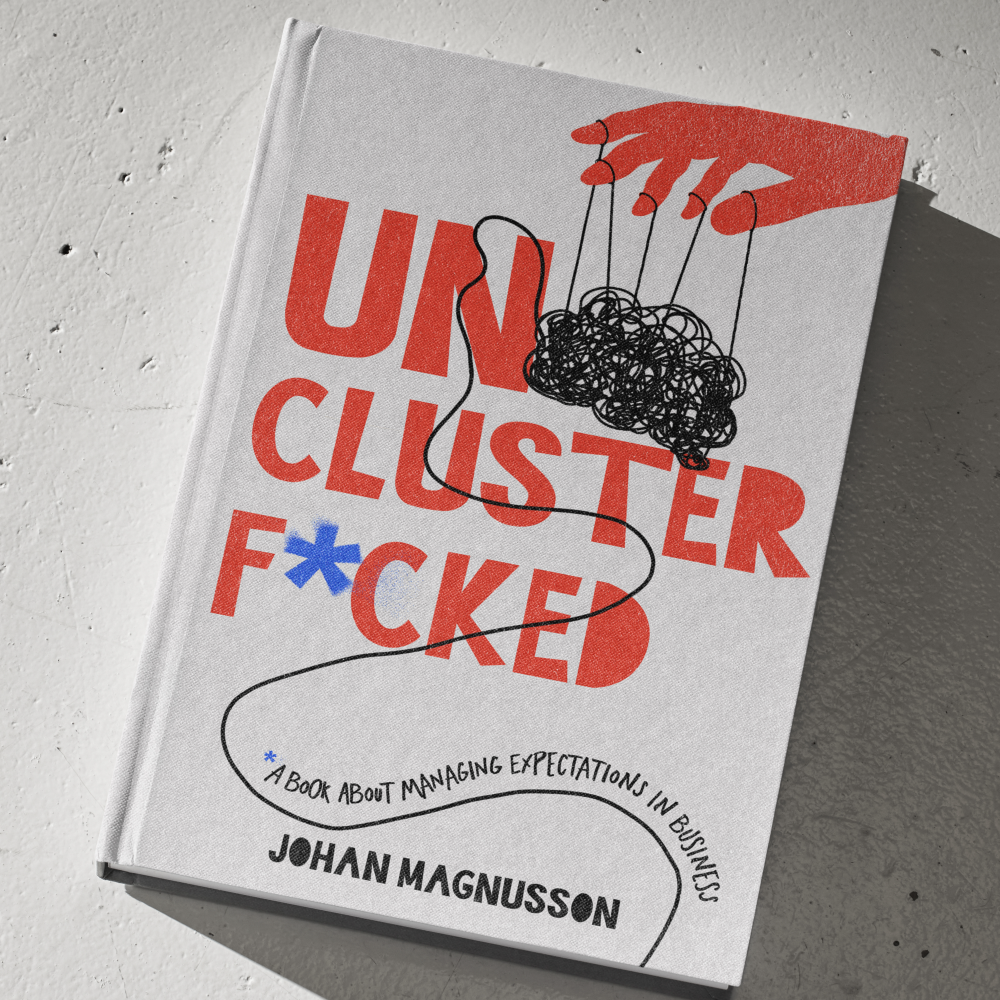
For more useful tips when working with customer and stakeholders – get hold of your own copy of Johan Magnusson’s new book UNCLUSTERF*CKED – a book about managing expectations in business.

“We INTROSPECT to MODERNIZE, SCALE and OPTIMIZE your business with well-founded capabilities of Advisory. Orchestration. Intelligent Solutions that matter. and our offerings – Custom Solutions, Data & AI Empowerment and Customer Success – to enhance and transform your business. We augment these outcomes with well-rounded HR services, Training, Staffing, Recruiting solutions to bring you the success.”